In pictures
A photographic record



Our Story
Glenlee's story spans Bidjigal custodianship, the original colonial land grants on the Lugarno peninsula, and four generations of the Matthei family who made their home on the Georges River.
Before settlement
Long before the first land grants, this stretch of the Georges River was — and remains — the Country of the Bidjigal people of the Eora nation, who met the First Fleeters on these shores.
Glenlee is part of one of the original land grants in Lugarno, made by Governor Sir William Thomas Denison in 1856 to Thomas George Lee, son of a shoemaker from London. The property was sold in 1859 to John Blatchford for 100 pounds, and again in 1886 to John Henry Geddes.
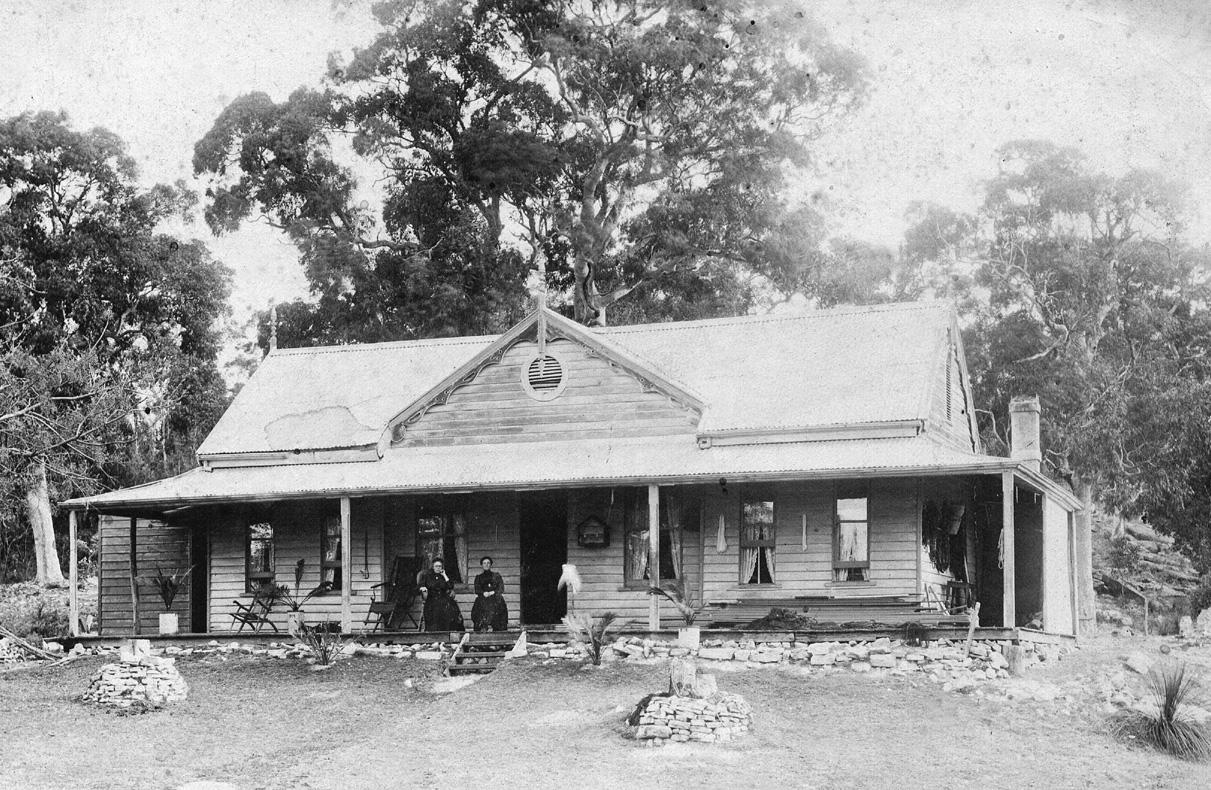
Geddes built a six-room timber house approximately where Boronia Parade sits today. Unfortunately he lost the land during the Depression of the 1890s when City Bank foreclosed the mortgage.
A timeline
Governor Sir William Thomas Denison grants the land to Thomas George Lee in 1856. It passes to John Blatchford in 1859 for 100 pounds, and to John Henry Geddes in 1886.
Otto Emil Matthei first saw the land when he and his wife Anna Marie and their two sons were travelling up the Georges River on a paddleboat heading for a Sunday school picnic. Otto became enchanted with the area and decided it was where he wanted to raise his family.
The family occupied the Geddes house as caretakers for City Bank in 1908, until Otto's finances allowed him to purchase bits of the surrounding land. By 1915 he owned 41 acres. The Mattheis became fishermen and oyster-farmers, and are important in the oyster-farming history of the area.
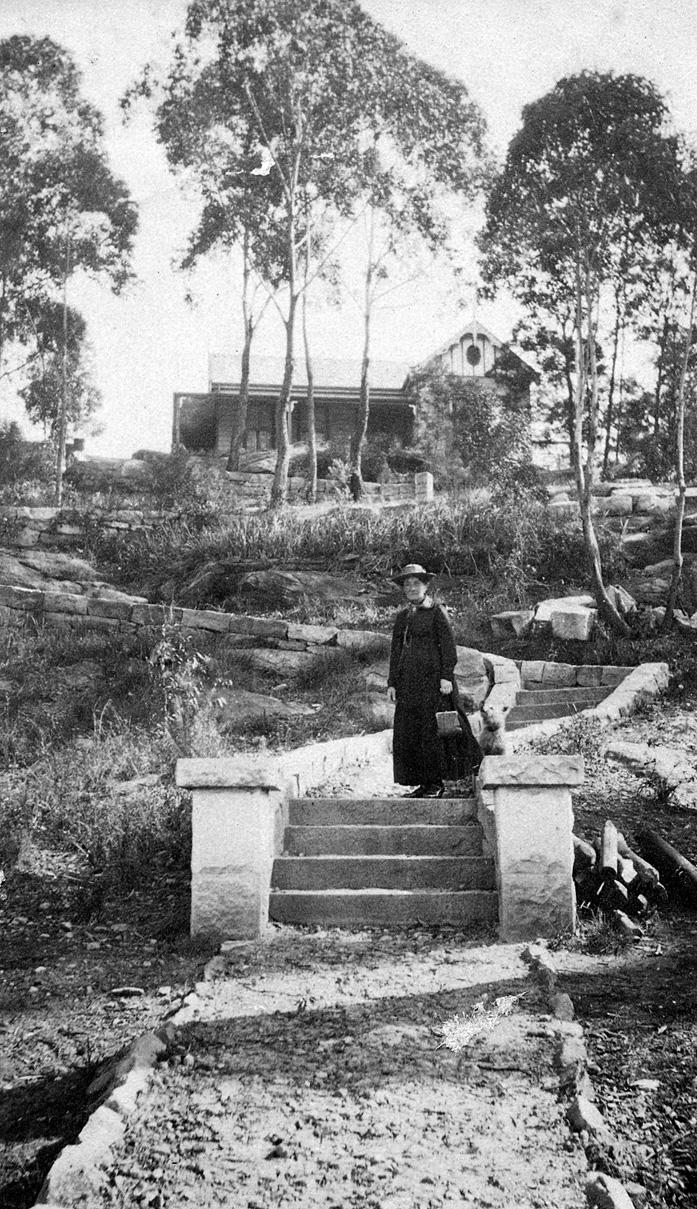
Otto built Glenlee, a homestead that still remains today, set on the hillside overlooking the river. He bought a cow, planted a mixed orchard and a vegetable garden, and built boatsheds and wharves along the river frontage.
The estate was subdivided and a gravel road was constructed and named Boronia Parade after the pink Boronia that flourished in the area. The road cost four hundred pounds.
The family farm helped the Matthei family survive the Great Depression, providing milk, butter, eggs, fruit and vegetables. Over the following decades the organic produce was made available to the community each Saturday from a stall manned by Will and Alan Matthei, grandsons of Otto and Anna. Many Lugarno residents remember buying their produce and stopping to chat to the brothers.
Generations of the family have been instrumental in developing so much of the Lugarno we know today. They were founding members of the Lugarno Progress Association and worked hard to establish so much of the infrastructure of the town. Alan and William were two of the seventeen children in the first class at Lugarno School in 1933.
Will and his wife Jessie continued to live at Glenlee until William's death in 2018.
Friends of Glenlee have been campaigning to save the site and have it purchased by state or local government to be made accessible to the local community. Unfortunately it was sold privately in April 2024.
In pictures